In 1986, a company named LINC Networks, Inc. created one of the first commercial packet-network services to offer competitive chess gameplay.
Known as LeisureLINC, or simply “The LINC,” the service would become affiliated with the United States Chess Federation (USCF) and, with online chat, messaging, and matchmaking features, quickly gained a loyal following within its community of chess-playing “LINCers.”
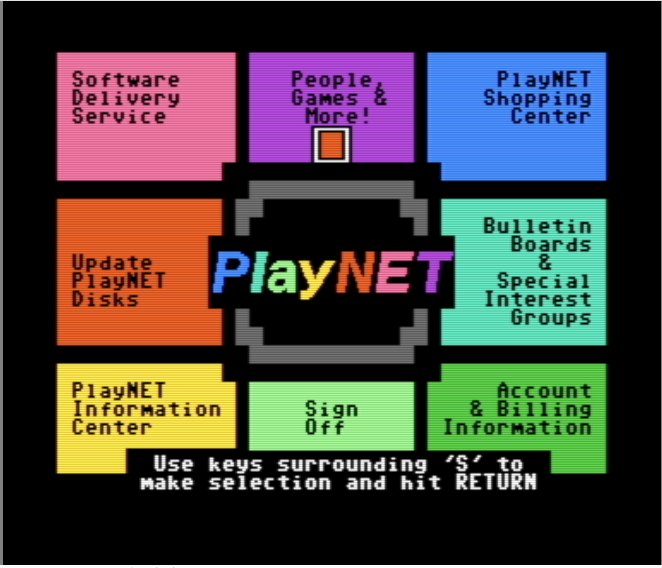
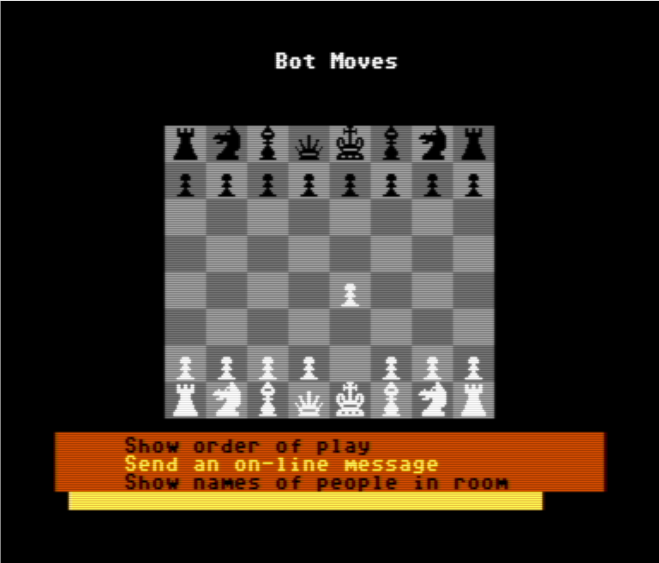
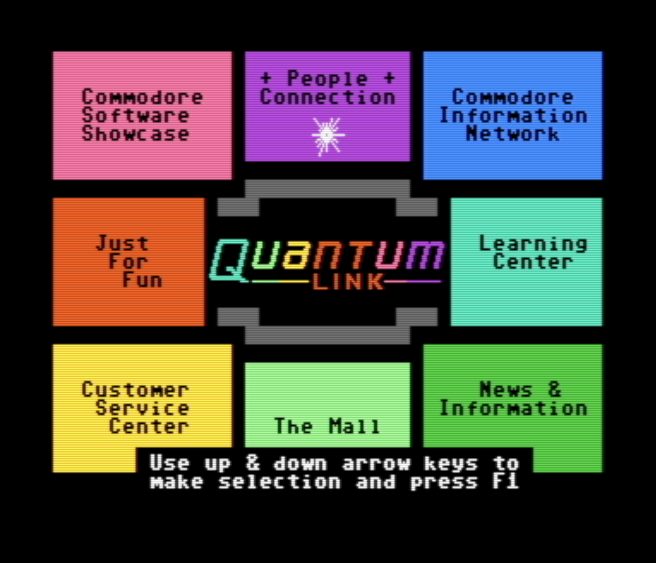
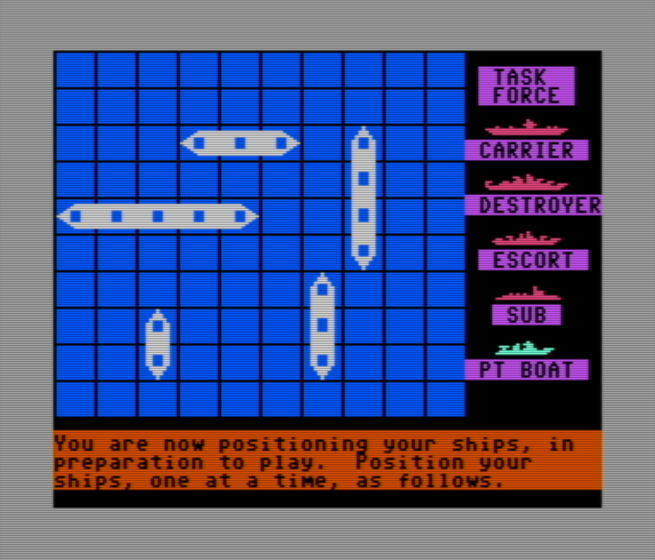
It operated in the same technological era as early general-purpose online services such as CompuServe, The Source, DELPHI, and GEnie, as well as more game-oriented services such as PlayNET and QuantumLink. Unlike the latter two, however, it specialized in cross-platform chess and supported more advanced features such as correspondence play, player ladders, tournaments, and interactive chess instruction.
In 1989, the service was acquired by Gannett, losing its LeisureLINC identity and repurposed as the USA Today Information Center (soon afterwards, USA Today Sports Center), where its features gradually broadened to serve a more news-oriented audience.
The goal of this project is to recover the original client software from the earlier LeisureLINC era and revive its operation in order to re-experience what was perhaps the first—and best—online chess platform ever made.
| FAQ | Timeline | Gallery | Links |
From the project’s perspective there are three categories of specimen quality:
| A | Original media (any platform) with verifiable contents. The current owner of the disk can attest that it has readable file contents. |
| B | Original media (any platform) with unverifiable contents. The current owner of the disk has no way to attest that it has readable file contents. |
| C | Original media (any platform) with unrecoverable contents. The current owner can attest that the file contents are no longer usable. |
All three have value to the project to different degrees, with the most desirable being A, then B, then C. Any finder’s fee offered (see below) will be commensurate with those categories.
Contact us at savethelinc@sjmail.us with a brief description of what you have and we will get back to you as soon as possible with further instructions.
We will study the computer programs on the disks to understand the protocols used to communicate with the legacy service. The result of that will be a specification that will serve as the basis for development of a simulated service that will allow the client software to function normally. The client software will require no modification in this process. Done completely, it will never know it’s not the ’80s again!
If you have media that is desirable for the project we will gladly offer you a reasonable finder’s fee depending on specimen quality (see above), to be arranged on a case by case basis. A simple way to transact would be to post it on ebay as a Buy It Now item and then notify us directly. Other payment/transfer arrangements will be considered as well.
No, and this is important to understand. If you contribute a disk to the project you will be agreeing that you are transferring ownership of that property to the project. We are collecting only original media so that the project can proceed without risking copyright infringement due to software duplication. By retaining the original media we can then continue to protect ourselves against that allegation. It may likewise protect future parties interested in the work, such as digital museums, who may want to, for example, present live displays of the working application. Any other transfer scheme is too complicated or legally vague to consider.
If you have further questions about this we suggest you read https://www.copyright.gov/help/faq/faq-digital.html to better understand the concerns here.
We are interested in collecting multiple editions of original disks in order to understand the evolution of the application over time and across the different client platforms. That collection will then inform the decision about what features we want to support in the simulated service.
We will post the source code of the simulated service on GitHub as a public repository along with other documentation that may be useful for historians. We may also post instructions and assets for deployment to specific platforms used by the retro-computing community.
Ideally we would like to collaborate with a digital museum in order to preserve The LINC’s unique contribution to the history of online entertainment, and we have an idea about how that my be possible in a turn-key way. But we will explore that later after we’ve taken the first steps.
Yes. Our team has done this successfully with two of The LINC’s technological contemporaries, PlayNET and QuantumLink. Both surprisingly sophisticated online applications for their time:
| PlayNET (C64, 1984) | QuantumLink (C64, 1986) | LeisureLINC (?, 1986) |
|---|---|---|
|
|
Needs Your Help |
We believe the effort required for LINCware will be similar.
Our goal is to be able to celebrate The LINC’s 40th anniversary in 2026 with a revived online experience. But that is totally dependent on our ability to recover the client software. We will be actively pursuing that objective until at least year’s end.
Any personal information that is exposed to the project will be incidental. We are not accumulating any kind of database of personally identifiable information. (We simply don’t care.)
We will of course know your email address if that is how you approached us. We will not share that with anyone without your permission.
If we accept your media contribution we will also give you the opportunity to be listed in our exclusive “Project Hero Wall of Fame” document that will be included with the GitHub.com repo page. You will then be asked for what moniker you would like to be recognized as.
No, not in any way. It is not a commercial venture and we will not take monetary donations. The project is being fully funded by its stewards who believe it is a worthwhile endeavor with historical significance.
| Date | Event |
|---|---|
| 1-Jul-2026 | Project research begins. |
| 20-Jul-2026 | Project obtains first C64 specimen from former LINCer named “Gambiteer”. No usable data recovered. |
| 28-Jul-2026 | The “Save The LINC” website goes live. |
| 5-Aug-2026 | Project obtains first PC specimen from former LINCer named “The-Boonog”. Data 100% recovered. Screenshot in gallery. |
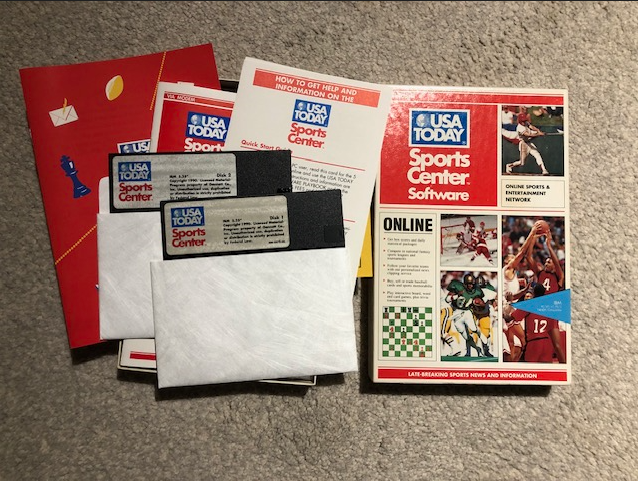
| 7-Aug-2026 | Project obtains amazing specimen of complete USA Today Sports Center software kit from Ernie Smith at Tedium.co. This software has LINCware DNA. Screenshot in gallery. |
| Ad for USCF/LeisureLINC collaborative products, part 1. November 1987 issue of Chess Life magazine |
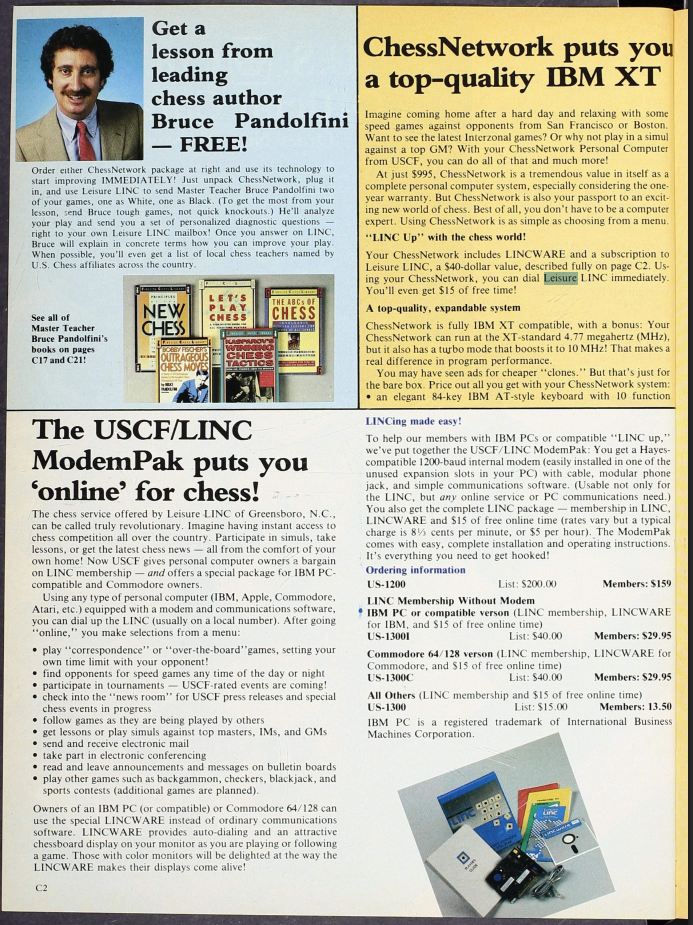 |
| Ad for USCF/LeisureLINC collaborative products, part 2. November 1987 issue of Chess Life magazine |
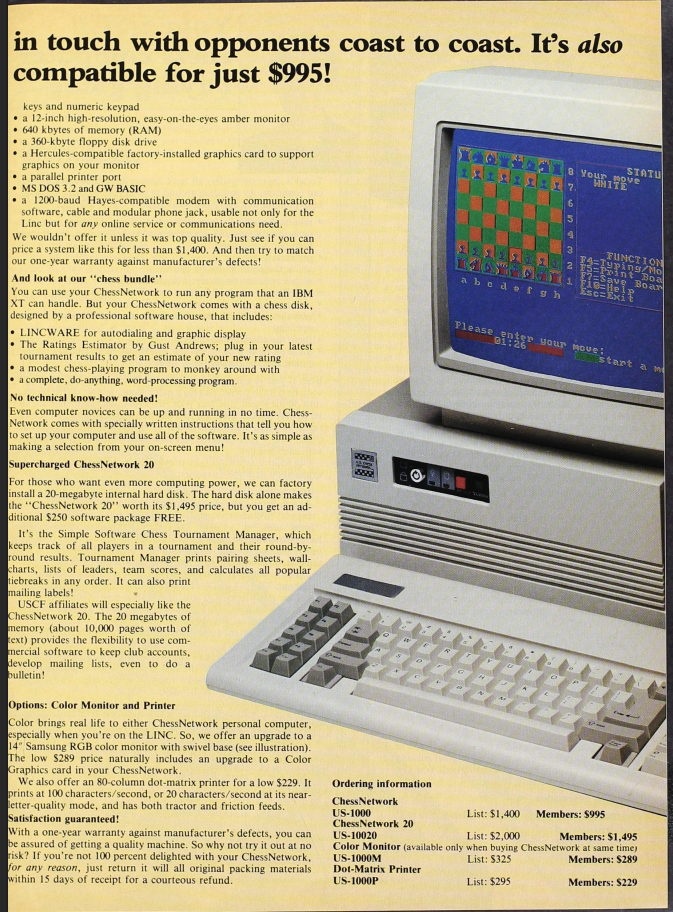 |
| LINCware for PC splash screen on IBM 5151. | 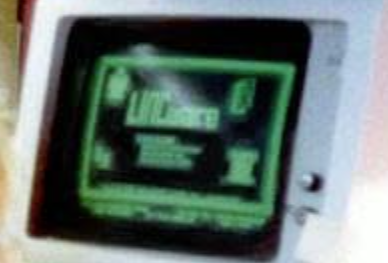 |
| LINCware for PC chess, circa 1987. | 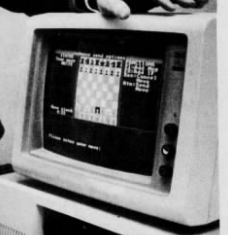 |
| LINCware for C64 chess. | 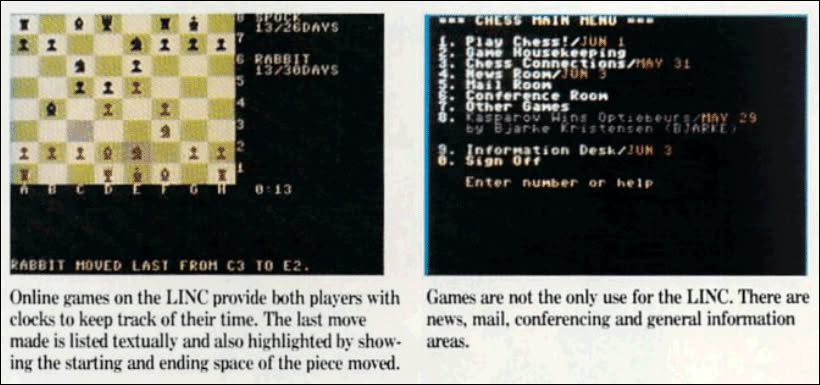 |
| LINCware for C64 disk jacket (damaged). Inner donut was removed and transplanted to another jacket then flux recovery attempted using a GreaseWeazle rig. Unfortunately that yielded no usable data. | 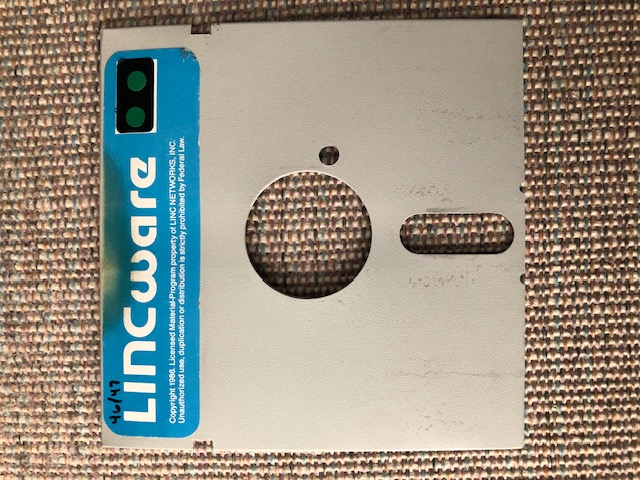 |
| LINCware for PC first glow in 35 years? Progress with partial collection of files. Still need authentic distribution! |
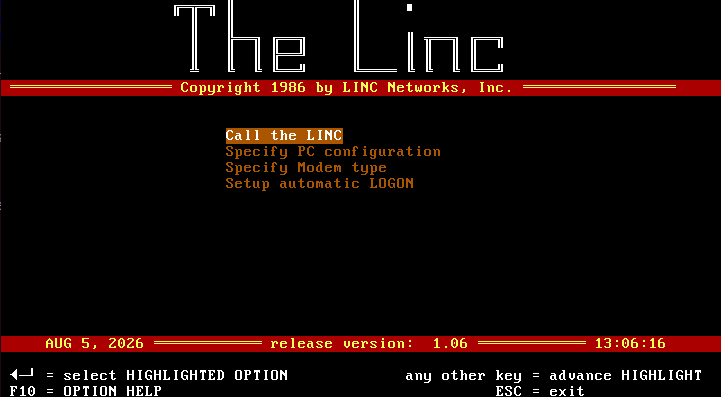 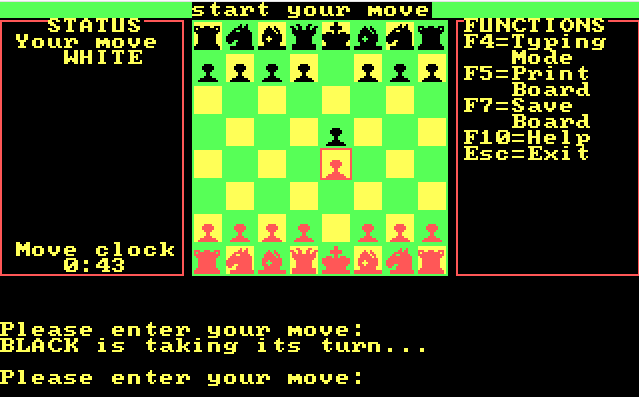 |
| USA Today Sports Center media kit. Thanks Ernie! |
 |
| Official LeisureLINC Tribute Facebook Group. Tons of photos! (Courtesy DD Thornton Kenny) |
https://www.facebook.com/leisurelinc/ |
Copyright 2026 savethelinc.org